Enable Good

Year: 2024

Client: Elpida Vasileiadou
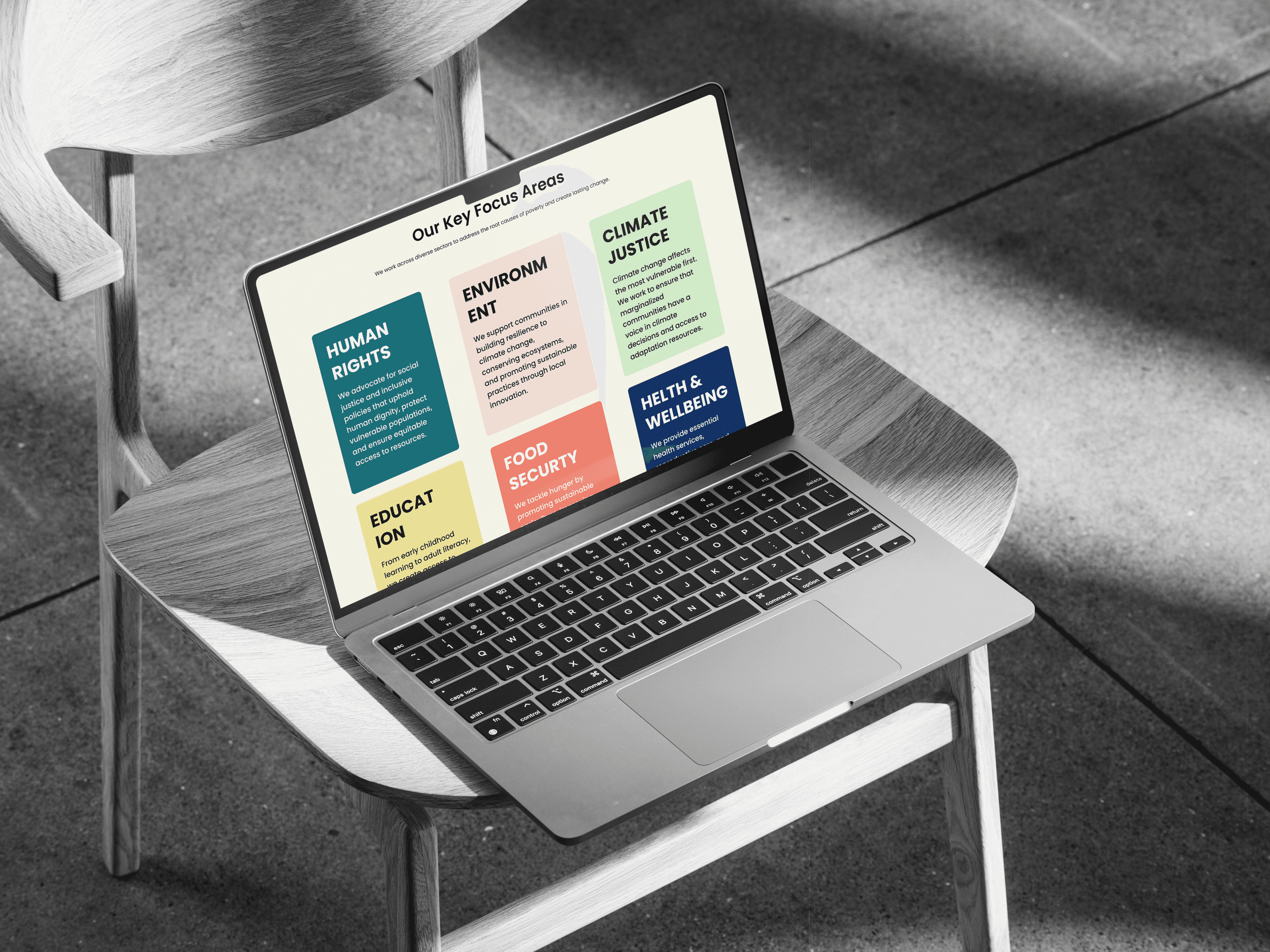
When the brief for Enable Good landed, I knew almost nothing about the world it was built for. The platform was meant to connect NGOs with businesses for social impact, a B2B space with its own language, goals and motivations that were all new to me. In 2025, working with a freelance team for the client Elpida Vasileiadou, I turned that unfamiliarity into curiosity and let it drive the research. I focused on understanding what both sides needed, shaping the information architecture, and defining how the whole platform would feel to use. Along the way the project pulled me well outside my comfort zone and taught me how to take a complex, unclear system and make it understandable through research and design.

#B2B Platform Design #Competitive Analysis #Customer Journey Mapping #KPIs #Information Architecture #Sitemap #Iterative Design

Task

Our job was to design a B2B platform where NGOs and businesses could find each other, work together and measure their impact. I started by learning the domain through user interviews, focus groups and a competitive analysis of existing solutions. We mapped the customer journey between NGOs and companies and set KPIs so the platform would deliver value that could actually be measured. AI tools helped us draft interview questions and summarize findings, and we checked every result by hand before relying on it.

Problem

  • Both NGOs and businesses struggled to trust each other, and they had little visibility into how partnerships and funds were handled.
  • The domain was new to the team, with unfamiliar terminology and user motivations that had to be learned from scratch.
  • Two very different user groups needed their own paths through the platform without getting lost or hitting dead ends.
  • We couldn’t meet the client before the design phase began, so research had to carry every decision.
  • After our first presentation, the client asked us to rework the design into a hybrid that included their own ideas.

Outcome

  • A visual storytelling presentation of the research, using empathy maps, diagrams and data visuals instead of long reports, which helped the client connect with the people behind the findings.
  • A sitemap refined over several iterations so it stays clear as the platform grows.
  • Separate user flows for NGOs and businesses, built for smooth navigation with no dead ends.
  • Low-fidelity wireframes to set layout and hierarchy, followed by high-fidelity screens matching the platform’s visual identity.
  • A clean interface built around three core actions: Connect, Collaborate and Measure Impact.
  • A prioritized design process that tackled the highest-impact screens first.
  • A final hybrid platform, refined together with the client, that kept the design consistent while reflecting Enable Good’s mission.